


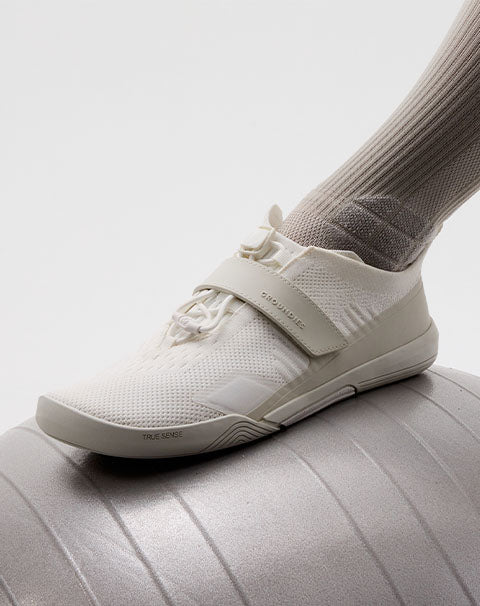
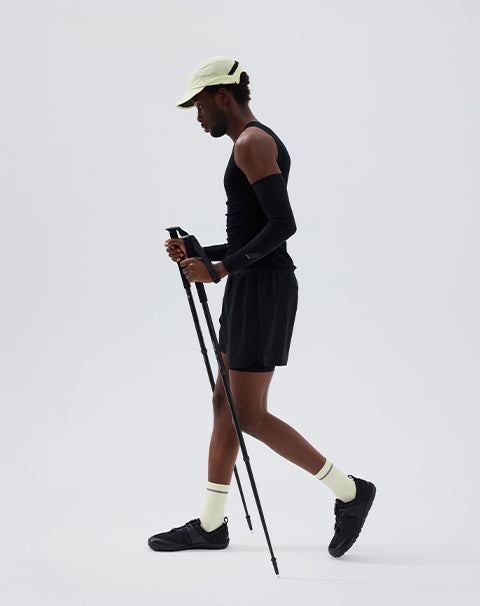
How to successfully switch to barefoot shoes

If you haven't been wearing barefoot shoes regularly yet, your feet and toes will need to slowly get used to the new feeling. Barefoot shoes feel different from "normal" shoes with cushioning and footbeds. The muscles in your feet and toes are used in a different way than before and must first get used to the new freedom of movement and new tasks. To make the transition comfortable, safe, and healthy, we have summarized some useful tips here.
Walk barefoot as often as possible!
Start by walking barefoot as much as possible in your free time. This will allow muscles, tendons, and joints weakened by "normal" shoes to gradually get used to walking without support. Walk around your house or apartment barefoot or in socks only. In summer, it's also a good idea to go barefoot in the garden or park. Perfect for vacations: walking barefoot in the sand also has a great effect. In general, soft surfaces are particularly suitable as they activate and train the foot without putting too much strain on it.
Start slowly!
Now it's time to integrate your barefoot shoes into your everyday life. But don't rush into it! In everyday life, we are mainly confronted with hard surfaces such as asphalt or pavement. Special care is required here. It's best to wear your new Groundies on days when you don't have to walk too far at a time. This will allow your feet to gradually get used to the new walking sensation without overloading them. We recommend that you switch between your normal shoes and Groundies frequently in the beginning.

More strength and flexibility in the foot
You can also actively help your feet and toes become stronger and more flexible. There are various simple exercises you can do. The great thing is that you can practice almost anywhere. In bed in the morning before getting up, on the sofa, while brushing your teeth, at your desk. Even when you're wearing (barefoot) shoes. This makes it very easy to incorporate foot training into your everyday life.
integrate.
Toe claws
Press your toes together and dig your heels into the floor as hard as you can. Hold for a few seconds and then release. Repeat the process several times. This exercise can be done standing, sitting, or lying down.
Spread your toes
Try to spread your toes so far apart that there is a gap between each toe. You can also use your hands to pull your toes apart.
Lift your toes one at a time
Place both feet on the floor and try to lift each toe individually. You will find that this is not so easy.
Walking on the outer and inner edges
Stand with both feet straight and then shift your weight to the outer edge of your feet. Hold this position for a moment. Then try walking on the outer edge of your feet. Next, try standing and walking on the inner edge of your feet. This exercise can help you train your balance and distribute your weight evenly across your feet.
heel raises
Stand up straight and steady, then lift both heels off the floor. Try to rise as high as possible on your toes and hold the position. You can then repeat the exercise on one leg. This trains your ankle joints and balance.


Listen to your body!
If you take a gradual approach to switching to barefoot shoes, you should gradually get a feel for the pace that is best for your feet and your whole body. Consciously test your new Groundies® barefoot shoes on different surfaces and compare the results. How do your feet feel? A little muscle soreness is normal at first. It shows that your feet and calves are working and adjusting to their new tasks. If it becomes too much, take a break. It is important that you feel comfortable and listen to what your body is telling you.


