



Groundies Outdoor: The best barefoot shoes for hiking
Healthy walking with Groundies barefoot shoes. Learn more about the positive effects of barefoot walking here.
Can you go hiking in barefoot shoes? Anyone who has ever enjoyed the comfort of walking in barefoot shoes will probably ask themselves this question sooner or later. Our Groundies shoe experts say a resounding "yes." However, there are a few important things to keep in mind when hiking in barefoot shoes. We'll give you some insight so you can make the most of your outdoor adventure.
Hiking in barefoot shoes – all the important information at a glance
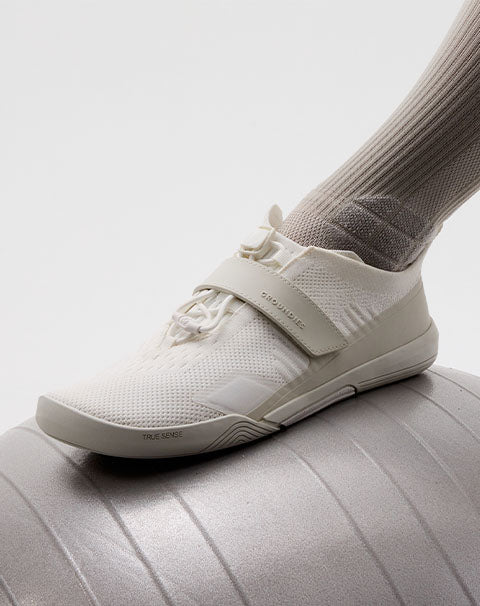
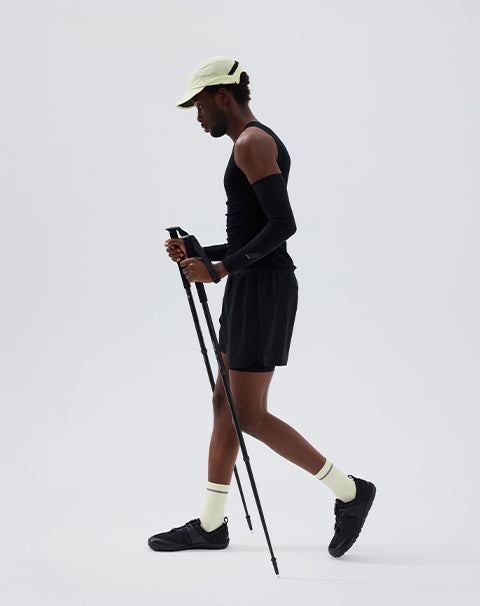
Get out into nature with light luggage – hiking in barefoot shoes is a great way to get even closer to nature. Like standard barefoot shoes, the soles of hiking barefoot shoes are very thin, but they offer even more support and surefootedness than barefoot sneakers or other leisure barefoot shoes. Compared to conventional hiking boots, barefoot hiking boots are also real lightweights. While regular outdoor models can weigh up to 1,800 grams, our Groundies barefoot shoes weigh just around 300 grams per shoe.
Features of barefoot hiking shoes
Hike comfortably and sensitively with barefoot shoes while still being safely protected: another important feature is that your barefoot hiking shoes should be made of robust, waterproof upper material and have a grippy, non-slip sole. Our GX1 multi-terrain sole, which can also be found in our Groundies Ontario Woman, for example, ensures a good grip at all times, even on challenging terrain. Good ventilation for your feet is essential on longer tours so that sweat can escape and your feet don't get sweaty. You should look for a breathable inner lining, such as a soft microfiber membrane. As with all other hiking boots, your barefoot hiking boots also require special hiking socks, which are best made from a breathable material mix of synthetic, wool, and elastane.
Hiking in barefoot shoes – questions you should answer beforehand
Similar to regular hiking boots, you should answer a few questions in advance when hiking with barefoot shoes. Have you already hiked in barefoot shoes and, if so, for how long? Since walking in barefoot shoes is generally more sensitive, significantly more muscles are used when hiking. It is quite normal that even as a fit hiker, you will need more energy and strength at the beginning. Therefore, recalculate your energy reserves when switching to hiking barefoot shoes. The duration of your hike is also a decisive factor. For short, relatively undemanding tours, outdoor barefoot shoes with medium grip are perfectly adequate. However, if you are planning an extensive hike or even a multi-day hiking tour with your barefoot shoes, you should definitely make sure you have sufficient stability and a sure-footed multi-terrain sole.

The hiking area – safe on the trail in barefoot hiking shoes
As with any other tour, you should familiarize yourself with your hiking area in advance. Just as important as the length of your outdoor adventure is the nature of the hiking area. For example, are you hiking with your barefoot shoes on dry, uncomplicated terrain, or do you have to prepare for different surfaces such as loose sand, sharp stones, mud, wet roots, or slippery rocks? If in doubt, it is better to choose sturdy, stable, and non-slip barefoot shoes rather than lightweight barefoot everyday shoes. Also consider the weather during your hiking tour. If you are hiking in a rather dry area, your feet will need a breathable barefoot shoe. However, could you be surprised by rain? Then it is best to choose a waterproof barefoot shoe that also gives you more grip and slip resistance, such as our Groundies All Terrain High Men.
The transition from hiking boots to barefoot hiking shoes
Switching to barefoot hiking shoes is generally easy, but you should be a little more gentle with yourself when choosing your tours at the beginning. Start by planning short hikes of 3 to 5 kilometers to get used to hiking in barefoot shoes at your own pace. As a general rule, barefoot hiking shoes should not be too big or too small. Ideally, you should buy your hiking shoes in your usual size. However, if you are between two shoe sizes, choose the larger one. Keep in mind that your feet swell and expand throughout the day. Ideally, try on your new barefoot hiking shoes in the afternoon or evening before you set off on your hiking adventure. High-quality barefoot hiking shoes support your fitness, foot health, and body balance. Therefore, you should not skimp when choosing good barefoot shoes for hiking. The price for high-quality barefoot outdoor shoes is usually around $180 to $220. However, with proper care and maintenance, your barefoot shoes will give you many years of enjoyment.
Hiking barefoot shoes: Good to know
- A high-quality barefoot hiking shoe usually lasts for 1,000–2,000 kilometers.
- To ensure that your barefoot shoes last as long as possible, you should care for them properly. This also applies to storage. You can find tips on shoe care here here.
- After the tour, you should clean your hiking boots immediately. Remove coarse dirt with a brush, soak them in lukewarm water if necessary, and waterproof them after drying.
- Even barefoot shoes for hiking must fit well in order to provide support. However, they should not be too tight, otherwise pressure points and blisters will form.
- The shaft at the ankle should not pinch, but rather gently enclose your foot and provide good support.
- After 15 to 20 minutes, you should re-lace your barefoot shoe.


