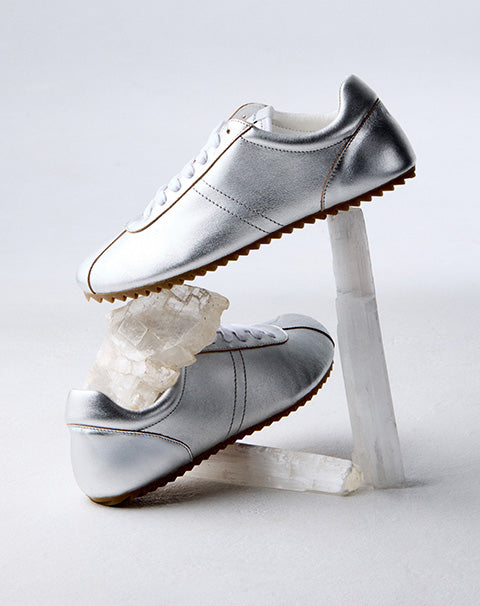
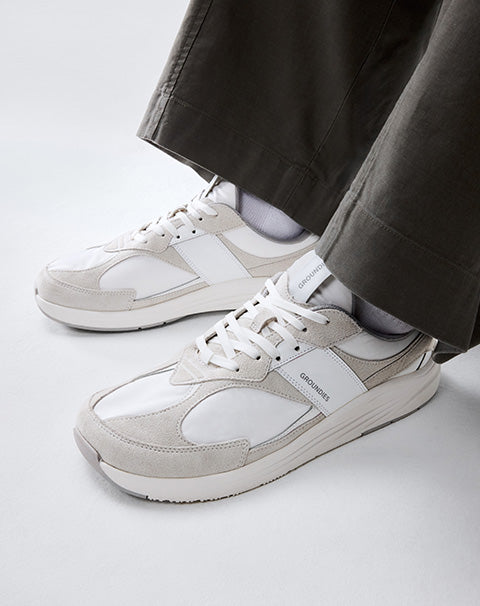
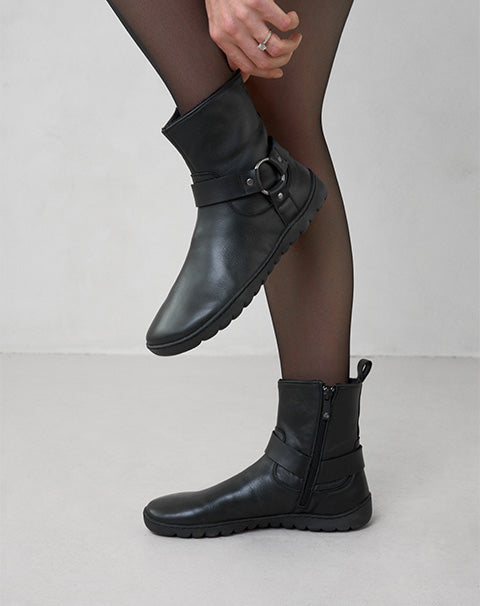
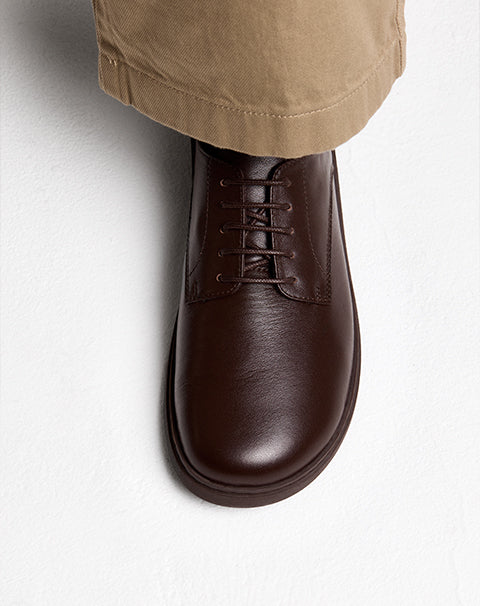
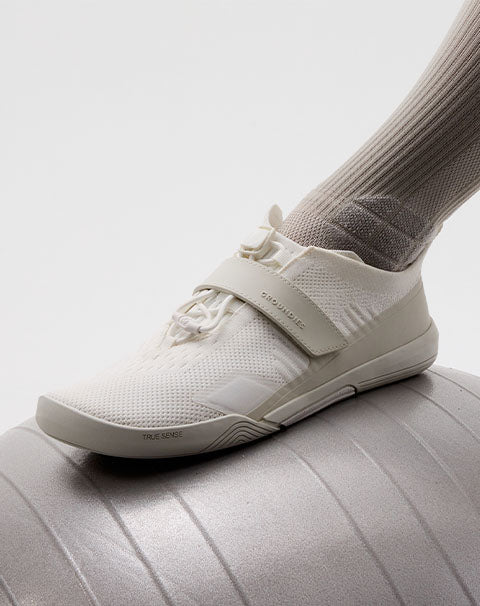
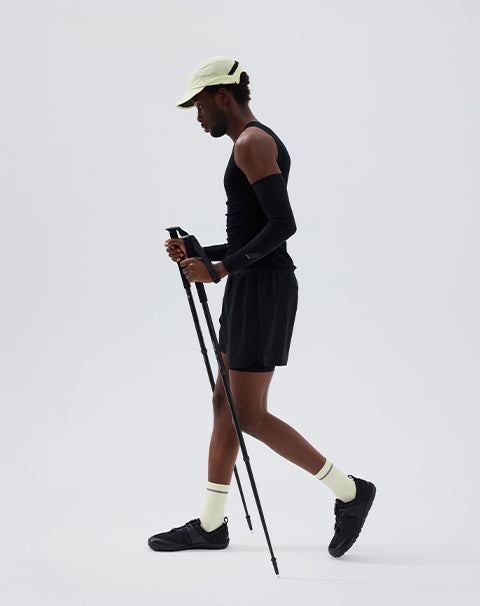
What exactly are barefoot shoes?

In your inquiries, whether by email or on our social media channels, we repeatedly encounter questions and misunderstandings regarding barefoot shoes. This is understandable, because the term "barefoot shoe" is actually an oxymoron: being barefoot while wearing shoes—in reality, this is not possible.

A question that comes up time and time again: Do you have to wear the shoes barefoot, i.e. without socks? To give you the answer right away: socks are allowed! When they hear the term "barefoot shoes," many people immediately think of eye-catching toe shoes.

The "barefoot" in barefoot shoes refers more to the fact that the shoes convey a feeling that comes as close to walking barefoot as is possible with shoes. Barefoot shoes aim to restrict the feet's natural freedom of movement as little as possible. The term "minimalist shoes" is therefore also commonly used. To provide more clarity, we will explain once again exactly what distinguishes a good barefoot shoe.

Zero Drop

Drop refers to the difference in height between the front of the shoe and the heel. Barefoot shoes have no drop, meaning no heel or other elevation in the heel area. The sole is the same thickness throughout its entire length. This allows your entire foot to rest flat on the ground, just like when walking barefoot.

Thin soles

Barefoot shoes have a very thin sole. The wearer should be able to feel the ground beneath their feet. Similar to the palms of the hands, the soles of the feet are covered with countless nerve endings that transmit information about the environment to the brain. This information, known as "sensory feedback," influences balance and spatial orientation. The sole thickness of Groundies is only 6.3 mm.

Lightness and flexibility

Just as important as the thickness of the sole in millimeters is the flexibility of the soles. It is the material of the sole that determines the flexibility of the shoe. The upper material should be just as light and flexible.

Wide toe box

Most conventional shoes become narrower towards the front, not only stylish women's pumps, but also normal sneakers. This does not correspond to the shape of our feet and causes the toes to be squeezed into an unnatural shape. As a result, freedom of movement and stability are restricted. The toe box of barefoot shoes is particularly wide and shaped to fit the foot. This allows the toes to grip the ground and spread naturally when walking.

waiver of support

Traditional shoes usually contain some form of cushioning, padding, or footbed. The aim is to support and relieve the foot as it works. At first glance, support seems like a good thing. However, if the foot does not have to work itself, it becomes increasingly weaker. It is in rest mode when walking, even though it is actually in motion. Barefoot shoes deliberately do without any kind of support. The foot should (re)learn to support itself. This will make it strong and powerful over time.