


Barefoot shoes for foot deformities

When you think of unhealthy shoes, the first thing that comes to mind might be pointed high heels with 12-centimeter stiletto heels. But that's just an extreme case—the real problem is much more widespread. The fact is that most conventional shoes do not correspond to the natural shape and function of our feet—and that doesn't just apply to women's shoes. The result: foot deformities develop or are at least exacerbated.
Too tight, too high
Many traditional shoes are cut far too narrow. In addition, a large proportion of both women's and men's shoes are pointed at the front. This makes the foot appear more delicate and elegant. The disadvantage is that tight shoes cause the toes to be pressed together. Unlike when walking barefoot, which is the natural state, they cannot rest relaxed on the ground or spread out. In addition, almost all conventional everyday shoes—from business shoes to sneakers—have some kind of heel elevation.

Hallux valgus and other problems
Many people suffer from foot deformities. Hallux valgus is very common. You have probably noticed it on one or both of your feet. Hallux valgus is a deformity of the big toe. It is usually caused by genetic predisposition, but is exacerbated by wearing shoes that are too tight or have high heels:
Heels or heel lifts of any kind affect our gait and the distribution of body weight when walking. They cause the balls of the feet to bear most of the weight. The toes, on the other hand, are often constricted and compressed. They cannot move freely and naturally. In the long term, hallux valgus changes the angle between the big toe and the second toe. The big toe points inward and, in severe cases, can even push over the second toe. This can result in painful inflammation, pressure points, and skin irritation. This misalignment often affects women more, as women's shoes tend to be narrower and have higher heels than men's shoes.
Barefoot shoes can have this effect
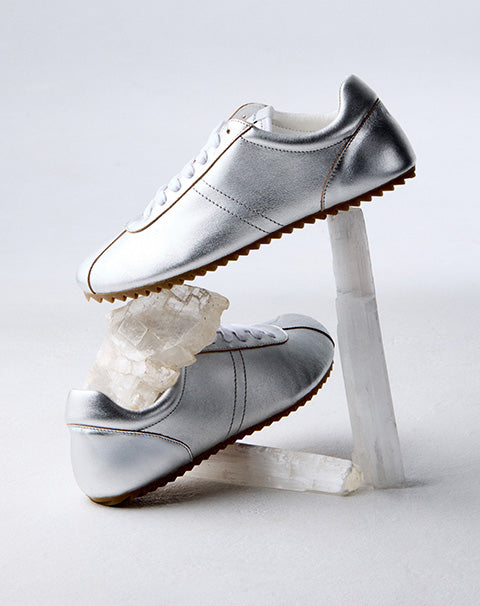
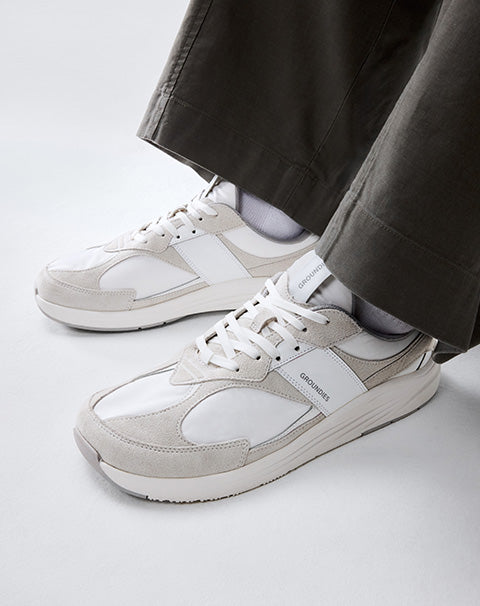
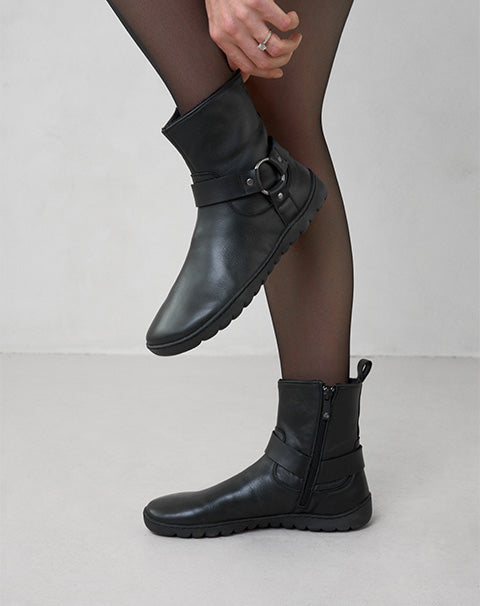
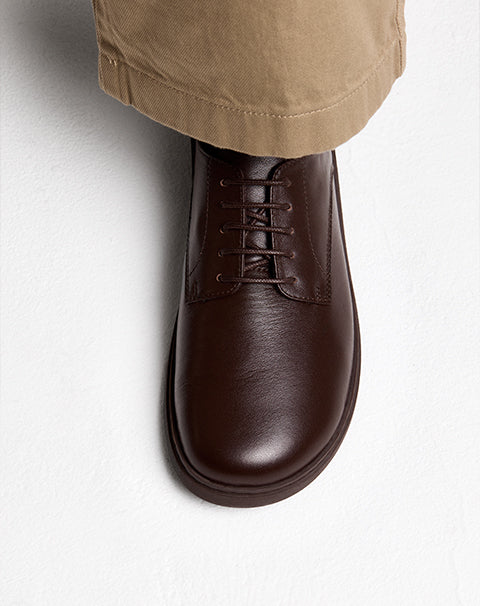
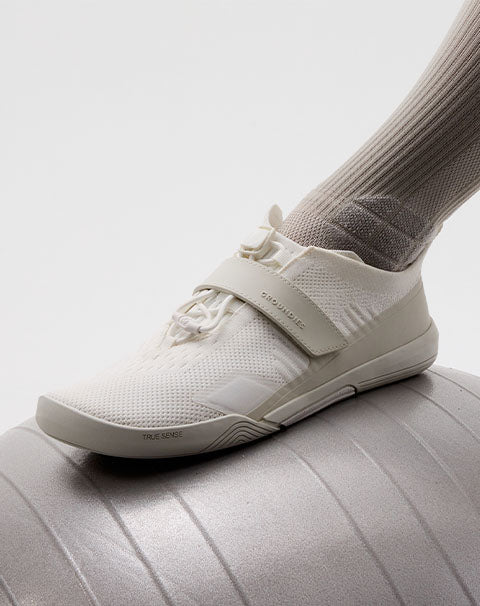
Unlike most conventional shoes, Groundies are completely flat—also known as zero heel. This means that your body weight is distributed evenly and naturally across the entire foot when walking—just like when walking barefoot. Another important feature is the wide toe box: in line with the natural shape of the feet, Groundies are wider at the front rather than narrower. This allows the toes to spread and curl up when walking. You enjoy completely natural freedom of movement, which is very similar to walking barefoot. But even if the misalignment is already present, barefoot shoes are a good choice. They help to prevent the problem from getting worse and offer damaged feet sufficient space, flexibility, and restorative freedom of movement.


